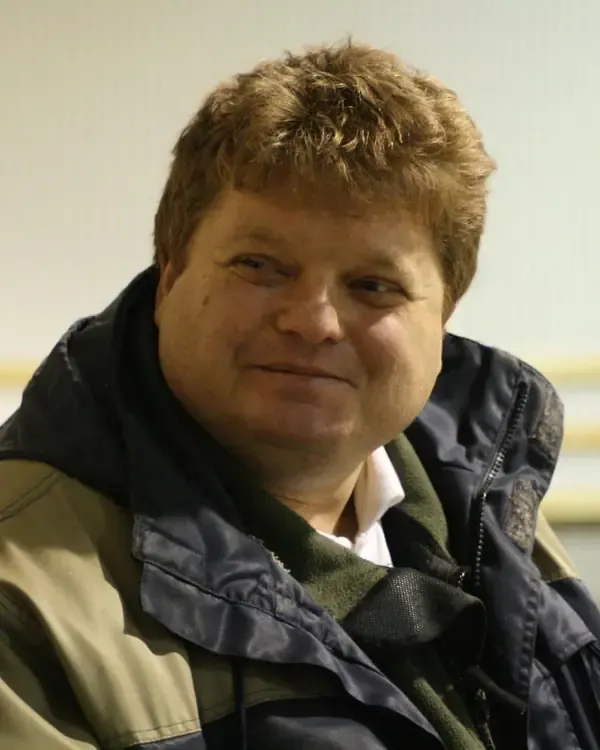
Rider, instructor, judge, coach — and one continuous question.
I hold the senior riding instructor qualification in three national systems: BHSI (British Horse Society, England), Auktoriserad ridlärare (Strömsholm, Sweden) and Ridelærer III (Norsk Hestesenter, Norway). I am also trained and examined in coaching, as part of a Diploma in Leadership from Handels- og IngeniørHøjskolen in Herning, now part of Aarhus University. I have around twenty years as an international FEIF Sports judge and around twenty years as a Gæðingakeppni landsdómari — the highest judging level in both disciplines.
Around 1990, I trained the Danish national team. From around 1996 to 2004 I was the official educator of Icelandic horse instructors for Norsk Islandshestforening, building the programme and its curriculum. Ten of my graduates went on to reach FEIF level III. Around 2007 I co-founded GaitAcademy with Stian Pedersen, and together we ran designed training programmes for riders and many joint seminars. From around 2012 I trained a privately initiated Dutch talent team, taking riders with young horses all the way to the World Championships — one of them has since reached a World Championship final. When Covid stopped the in-person training in 2020, we moved online, something I had been preparing for years; in 2021 Stian and I also ran the instructor seminars for both the Norwegian association and FEIF online. Since 2024 I have been building GaitAcademy's online education on my own.
What shapes how I teach is the combination — riding, teaching, judging, the two mentors, and decades of reflecting on what actually made the difference and what only looked like it did.
The question that started it
My questions about riding, training, teaching and learning have shifted many times over the decades. One answer usually opens a cascade of new ones, and some days I reframe the whole thing twice before evening. But the question I started with has stayed the same throughout:
How can I ride and train my horse, so that it ends up going as well as possible?
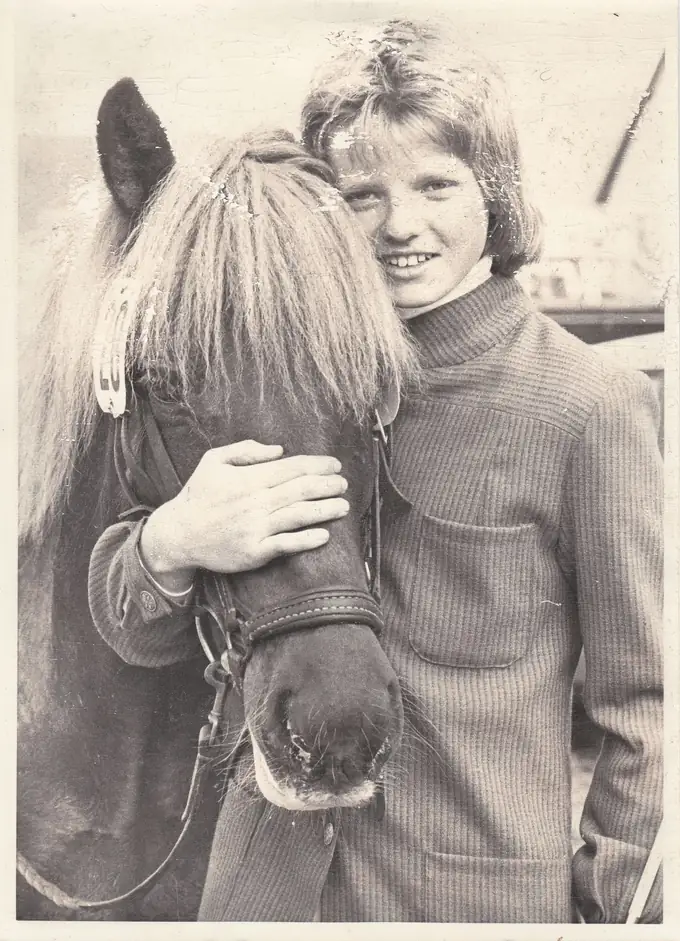
I began my formal instructor education after winning more than a dozen national senior championship titles in Icelandic horse riding. Then I failed my first dressage examination. When I re-took it, the examiner told me that although I had passed that day, I should perhaps reconsider my choice to pursue this education.
Then I came under the wing of a mentor who changed everything. At the next level examination, the same examiner told me he had changed his view, and encouraged me to continue.
That mentor was Mrs. Molly Sivewright, then chief instructor at the Talland School of Equitation. I still get emotional every time I tell this story. What she did differently from anything I had met before was to introduce me to the art of connecting with the horse — in handling as much as in riding — and to synchronising with the horse in motion.
My second mentor was my dressage teacher at Strömsholm, Mr. Bo Tibblin, who worked on the same thing — the rider's feel — but from anatomy and biomechanics.
Standing on the shoulders of two of the finest educators in the equestrian world, starting from two different places and arriving at the same one, has been worth a thousand times more to me than the qualifications I eventually earned. And those are the finest qualifications there are.
For that I am forever grateful. Which is why I consider it my duty as an educator to pass on how I got past the hurdles on my own journey — to anyone working on the question I started with.
Horses
are so beautiful
and they love
to show us how beautiful they are
if we just let them
— Bent Rune Skulevold
Why this matters for you
A rider who has been told, in one way or another, that this isn't for them — by an instructor, by a score sheet, or by their own conclusion after years of not getting there — is not in an unusual position. It's where most riders eventually arrive, and it is not a verdict on their ability.
What changes it is not more determination — not more willpower, not trying harder. It's understanding what's actually happening underneath the riding, and then having a structure built to carry that change. Which is what everything here is for.